What Buyers and Sellers Really Pay to Close in Dallas-Fort Worth

Quick Answer: In Dallas-Fort Worth, buyers typically pay around $3,000 to $8,000 in closing costs on a $300,000 home, while sellers pay more, often $18,000 to $30,000 on that same $300,000 sale once you add agent commissions and transfer fees. Both are bigger than first-timers expect, so plan for them before you’re at the table.
“Closing costs are only a couple thousand dollars, right?” I hear this at least twice a month, and every time I have to be the one to break the news. Closing costs in DFW are bigger than most people think, and they sneak up on you if you’re not prepared. A nurse from McKinney told me she’d budgeted $3,000 for closing. Her actual bill? Just over $14,000. She still bought the house, but that surprise stung.
I’ve walked hundreds of buyers and sellers through that final settlement statement over the years. Here’s what you actually need to know so you don’t get blindsided.
What Are Typical Closing Costs for Buyers in Dallas-Fort Worth?
Buyer closing costs in Dallas-Fort Worth generally land in the low single digits as a share of the purchase price. On a median-priced home around $425,000 in Plano or Frisco, that’s roughly $8,500 to $21,000. Real money.
Here’s what buyers typically pay at closing:
- Loan origination fees: usually a fraction of the loan amount, often a few hundred to a couple thousand dollars
- Appraisal fee: $450 to $650 for single-family homes
- Home inspection: $400 to $600 in DFW
- Title insurance: $1,500 to $3,000 depending on home value
- Survey fee: $300 to $500 for properties in Collin and Dallas counties
- Property taxes: a prorated amount (Texas has no state income tax, but you’ll feel it in property taxes)
Something I’ve noticed working with families near Legacy West and Southlake Town Square: buyers in premium school districts like Plano ISD and Carroll ISD often see higher title insurance simply because home values are elevated. It’s proportional, but that doesn’t make it less surprising.
The good news? Many of these costs are negotiable or can be offset through seller concessions, especially when the market isn’t red-hot. Don’t assume the number on that first estimate is final.
How Much Do Sellers Pay in Closing Costs in DFW?
Sellers in Dallas-Fort Worth pay more than buyers, and the biggest chunk by far is the agent commission. If you’re selling, I go deeper on the seller side in my Texas seller closing costs guide, including how to figure your real net before you list.
Major seller closing costs include:
- Real estate commissions: the largest single line item, fully negotiable, and handled differently since the 2024 NAR settlement changed how the buyer’s agent gets paid
- Title policy: $800 to $2,000 for owner’s title insurance
- Transfer taxes: vary by municipality within Dallas and Tarrant counties
- Attorney fees: $500 to $1,500 for closing representation (optional in Texas)
- Home warranty: $400 to $800 if provided to the buyer
- Repairs: negotiated items from the buyer’s inspection
I had a seller in Uptown Dallas last year who was genuinely shocked when I showed him the net-proceeds worksheet. He’d done the math on sale price minus mortgage payoff and thought that was his check. He’d forgotten about commissions, title fees, and the $4,000 in inspection repairs he’d agreed to. Not a disaster, but it would have been easier if he’d planned ahead. For homes near Knox-Henderson, Deep Ellum, or the Bishop Arts District, where places tend to sell faster, you might dodge some of the bigger repair negotiations, but don’t bank on it.
When Should You Negotiate Closing Costs in Dallas-Fort Worth?
Market conditions drive everything here. Since ‘97 I’ve watched DFW swing from buyer’s markets where sellers were begging for offers to frenzied bidding wars where you couldn’t even get a counter. Timing matters.
Best times to negotiate seller concessions:
- Winter months (December through February) when inventory is higher
- When a home sits on the market longer than a month
- In neighborhoods with rising inventory
- For properties needing cosmetic updates or repairs
Areas with top-tier schools like Highland Park ISD or Frisco ISD hold strong demand year-round, so don’t expect big concessions there. But you can still negotiate inspection repairs or closing-date flexibility, and those aren’t nothing.
One thing I always tell clients: focus on the total transaction cost, not just the sticker price. Sometimes paying a touch more for the home while getting closing-cost credits creates a better financing picture. It sounds backwards, but it works.
Homes near DART stations or TEXRail lines tend to attract multiple offers, which limits your negotiating room. Homes with a longer commute to the major employment centers usually give you more leverage. It’s a trade-off worth weighing.
What Unexpected Closing Costs Should DFW Buyers Expect?
This is where first-timers really get tripped up. Beyond the standard costs, there’s a whole category of “wait, I have to pay for that too?” expenses.
Common unexpected costs include:
- HOA transfer fees: $100 to $500 in master-planned communities
- Utility deposits: $200 to $400 for electricity setup with providers like Oncor
- Flood certification: $25 to $75 for properties near the Trinity River
- Additional inspections: pool, septic, or foundation specialists ($300 to $800 each)
Over the years I’ve learned that properties in newer developments almost always carry extra fees. Communities near Legacy Hall or Southlake Town Square frequently tack on architectural review or community enhancement charges that don’t show up until you’re deep into the process.
And if you’re looking at homes built before 1978, particularly in the older sections of Plano or Richardson, you might need a lead-based paint inspection. That’s $300 to $500, but it’s worth every penny for peace of mind.
My advice? Budget an extra $1,000 to $2,000 beyond your estimated closing costs. Far better to have leftover funds than to scramble for cash the week before closing. An engineer relocating from Chicago learned that the hard way when his HOA transfer fee, utility deposits, and a surprise foundation inspection added nearly $1,800 to his bottom line.
How Can You Reduce Closing Costs When Buying in Dallas-Fort Worth?
You don’t have to just accept whatever number shows up on the Closing Disclosure. Smart buyers can shave thousands off, it just takes some effort upfront.
Proven cost-reduction strategies:
- Shop lenders: compare loan estimates from three or more lenders serving DFW
- Time your closing: closing mid-month reduces prepaid interest
- Bundle services: some title companies offer package deals
- Review the Closing Disclosure: challenge any questionable fees a couple of days before closing
I’ve seen buyers near Klyde Warren Park and the American Airlines Center save $1,500 to $3,000 just by shopping loan terms aggressively. Credit unions and local banks often beat the big national lenders for DFW properties. It takes a few extra phone calls, but would you make three phone calls for $2,000? I would.
Also consider asking sellers to pay points to buy down your interest rate instead of traditional closing-cost credits. This works especially well in neighborhoods with strong appreciation: you’re trading a short-term seller contribution for long-term monthly savings.
And don’t overlook the calendar. Closing on the 15th instead of month-end cuts your prepaid interest. On a $400,000 loan, that simple timing change can save $800 to $1,200. Not a tip you’ll find on most websites, but one I share with every buyer.
Frequently Asked Questions
Q: Are closing costs higher in Dallas compared to other Texas cities? A: Dallas-Fort Worth closing costs are roughly in line with other major Texas metros. That said, higher property values in areas like Highland Park or Southlake mean your absolute dollar amount runs higher even when the percentage is similar.
Q: Can I roll closing costs into my mortgage in DFW? A: Yes, but only if the appraised value supports the higher loan amount. It’s a decent option in appreciating neighborhoods, but calculate the long-term interest, because you’re paying for those costs over 30 years if you finance them.
Q: How far in advance will I know my exact closing costs? A: You’ll get a Closing Disclosure at least three business days before closing. But I don’t wait until then. I provide estimated closing-cost worksheets during contract negotiation so there aren’t surprises at the table.
Q: Do closing costs differ between Dallas and Tarrant counties? A: They do. Transfer taxes and some municipal fees vary between counties and cities. Properties in Dallas County often have slightly different fee structures than those in Tarrant or Collin counties, so don’t assume the numbers match across county lines.
Q: Should I get pre-approval before house hunting to understand closing costs? A: Absolutely. Pre-approval gives you accurate closing-cost estimates and strengthens your offers in competitive DFW neighborhoods. If you’re touring homes near Legacy West without a pre-approval letter, you’re already behind.
Want help making sense of your Dallas-Fort Worth closing costs? Call or text me at (972) 345-3516 and I’ll build you a personalized closing-cost worksheet.
Need expert guidance?
28 years of DFW real estate expertise. One phone call away.
Free First-Time Buyer's Guide
Neighborhood comparisons, red flags checklist, and a printable home tour scorecard.
About the Author
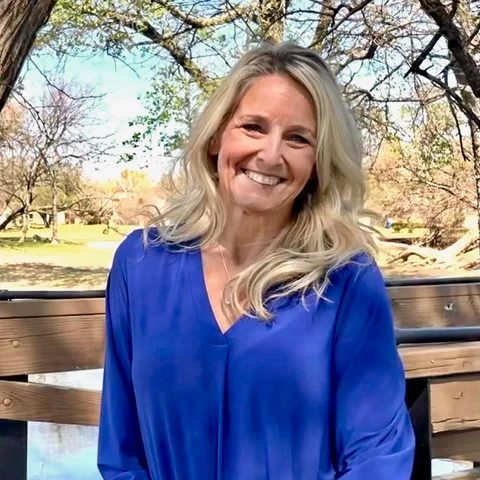
Kristy Purtle has been a licensed Texas REALTOR® since 1997, helping families buy and sell homes across the Dallas-Fort Worth metroplex. With 28 years of local market expertise, she provides personalized service from listing to closing.