Buying Your First Home in Plano: A 2026 Step-by-Step Guide

Quick Answer: Budget $450K-$650K for starter homes in Plano. Focus on West Plano or Legacy West for walkability and top schools. Get pre-approved before you shop.
Last spring, a teacher from Richardson called me in tears. She’d lost out on her third home in two weeks, each time outbid by buyers who came to the table faster and better prepared. We sat down, fixed her strategy, and six weeks later she closed on a gorgeous three-bedroom near Spring Creek in West Plano. Under asking price.
That story isn’t unusual. Plano’s first-time buyer market can feel brutal if you don’t know the playbook. I’ve been selling homes across DFW since ‘97, and the buyers who win aren’t always the ones with the biggest budgets, they’re the ones who show up ready. Here’s what that looks like in 2026.
What Are the Best Neighborhoods for First-Time Buyers in Plano?
Not all of Plano is created equal when you’re stretching for your first home. Three areas consistently make sense for buyers trying to balance price, lifestyle, and long-term value.
West Plano ($475K-$575K) is where I’d start most conversations. Mature trees, sidewalk-friendly streets, and you’re a quick drive from Legacy West for dinner or weekend shopping. Young families and professionals gravitate here, and honestly, the resale values have been rock solid. If you’re commuting to the Telecom Corridor or Richardson’s tech hub, it’s hard to beat the location.
East Plano ($425K+) is your most affordable way in. Don’t let anyone tell you East Plano isn’t “real” Plano, that’s outdated thinking. The neighborhoods around Willow Bend have direct access to the President George Bush Turnpike, and you’re still in Plano ISD. A software engineer relocating from Denver bought in this area last fall and told me it felt like getting a cheat code, same schools, lower price.
Legacy West vicinity ($525K-$675K) is the pricier pick, but the walkable lifestyle is a real draw. Restaurants, shops, concerts at The Shops at Legacy, it’s all right there. If you work for one of the big employers along the Dallas North Tollway, your commute could be measured in minutes, not hours. The tradeoff? You’re paying a premium for that convenience, so you’ll want to make sure the numbers still work.
Here’s a tip most buyers don’t think about: look at what’s planned, not just what’s there now. The DART Silver Line expansion is going to change accessibility in parts of East and Central Plano. Buying near a future station before it opens? That’s how you build equity without overpaying today.
How Much Does It Cost to Buy Your First Home in Plano?
Let me break this down into real numbers, the ones that actually show up on your bank statements.
Home prices: Plano’s median sits around $525,000 right now. But don’t let that number scare you. Most first-time buyers I work with land in the $450K-$600K range, and there’s solid inventory at those price points if you know where to look.
Down payment: Conventional loans run 5-10% down. FHA loans let you get in for as little as 3.5% if you qualify. On a $475K home, that’s roughly $16,600 for FHA versus $23,750-$47,500 for conventional. Big difference.
Closing costs: Plan for 2-3% of the purchase price, so roughly $10,000-$18,000. This covers title insurance, appraisal, inspection, lender fees, and a handful of other line items that’ll make your eyes glaze over. Your lender will give you a detailed estimate early in the process, and I always tell clients to round up.
Monthly costs beyond the mortgage: This is where first-timers get surprised. Your payment isn’t just principal and interest. Collin County property taxes run around 2% of value annually, so on a $500K home that’s roughly $850/month just in taxes. Add homeowners insurance and HOA fees ($50-$300/month depending on the neighborhood), and your “monthly payment” can be 30-40% more than the mortgage calculator showed you.
One thing I always tell my buyers: don’t forget about the little stuff. A new HVAC filter every three months, lawn care if you’re coming from an apartment, maybe a new water heater in year three. Budget 1% of your home’s value per year for maintenance and you won’t get caught off guard.
When Is the Best Time to Buy Your First Home in DFW?
You’ll hear all kinds of advice about timing the market. Here’s what actually matters.
Spring (March-May) is when inventory explodes. More homes hit the market, open houses are packed, and if you’re eyeing anything near a top-rated Plano ISD campus like Jasper or Shepton, expect multiple offers. The upside? You’ve got options. The downside? So does everyone else. Come armed with a pre-approval letter and be ready to write an offer the same day you tour.
Fall and winter (October-February) is my favorite time for first-time buyers, and I’ll tell you why. The casual shoppers have gone home. The sellers still listing in November? They’re motivated. I helped a young couple from Frisco, both nurses working crazy schedules, close on a place near Legacy and 75 in early December. They got $15,000 off asking because the seller needed to relocate before the holidays. That doesn’t happen in April.
Interest rates honestly matter more than the calendar. A 0.5% drop in rates on a $500K mortgage saves you roughly $150 a month, that’s $54,000 over the life of the loan. When rates dip, don’t sit around debating seasons. Move.
What First-Time Buyer Programs Are Available in Texas?
Texas actually has some pretty solid programs for first-time buyers, and I’m surprised how many people don’t know about them.
TSAHC (Texas State Affordable Housing Corporation) offers down payment assistance up to 5% of your loan amount. You can use it with conventional, FHA, VA, or USDA loans. The income limits are more generous than you’d think, plenty of Plano buyers qualify. The application’s a bit of a paperwork exercise, but the savings are worth the hassle.
My First Texas Home is another state-run program with competitive interest rates and down payment help. East Plano buyers tend to benefit the most here because home values line up well with the program’s price limits. If you’re buying in the $425K-$475K range, this one’s worth a serious look.
Local programs pop up through Plano and Collin County from time to time. They change frequently and don’t get much press, which is exactly why working with an agent who’s plugged into the local market matters. I had a buyer last year pick up an extra $7,500 in assistance through a county program I’d heard about at a broker luncheon. That kind of thing doesn’t show up on a Google search.
And here’s something people forget: some employers in the Legacy corridor and Richardson tech hub offer homebuyer assistance programs as part of their benefits. Check with your HR department before you assume you’re on your own.
How Do First-Time Buyers Compete in Plano’s Hot Market?
After nearly three decades of helping buyers compete in this market, I can tell you the winning formula isn’t complicated. It just takes preparation.
Get a real pre-approval, not a prequalification. There’s a difference, and sellers know it. A full pre-approval means a lender has actually verified your income, pulled your credit, and said “yes, we’ll fund this.” A prequalification is basically a guess. Work with lenders who issue strong letters and can close in 25 days or less. A lot of my buyers have great luck with DFW credit unions, competitive rates and they actually answer the phone.
Make your offer easy to say yes to. This doesn’t always mean highest price. Flexible closing timelines, reasonable contingencies, and solid earnest money, say $5,000-$10,000 on a $500K home, show the seller you’re serious. I once won a multiple-offer situation for a buyer who came in $8,000 below the top bid but offered a 21-day close with strong earnest money. The seller took the sure thing.
Don’t overlook the imperfect homes. Everyone wants the turnkey listing with the updated kitchen and the Instagram-ready backyard. You know what that means? Those homes get 12 offers in a weekend. Meanwhile, the place down the street with dated countertops and a weird paint color sits for three weeks. Cosmetic updates are cheap. Location and bones are forever. Some of the best deals I’ve seen are near Legacy corridor amenities in established Plano communities, homes that just need a little love.
Have patience, but not too much. Plano’s strong job market, excellent schools, and central DFW location make it an outstanding long-term investment. You don’t need to rush into the wrong house. But don’t wait for perfection, either. The buyers who do well are the ones willing to compromise on granite countertops but won’t budge on school district and commute time.
Ready to start? Call or text Kristy at (972) 345-3516 for a free consultation.
Frequently Asked Questions
Q: What credit score do I need to buy a home in Plano? A: Conventional loans require 620+. FHA loans accept scores as low as 580. Scores above 700 unlock the best rates and program options, and in Plano’s price range, even a small rate improvement can save you serious money.
Q: Should I wait for Plano home prices to drop? A: I wouldn’t count on it. Plano’s job market, top-rated schools, and limited undeveloped land all support stable values. I’ve been watching this market since the late ’90s, and waiting for a crash has almost always cost buyers more than just buying when they’re financially ready.
Q: How long does closing take in Plano? A: Standard closings run 30-45 days. With your paperwork buttoned up and a responsive lender, we can often close faster, which gives you an edge when competing against multiple offers.
Q: How much emergency fund do I need beyond down payment and closing costs? A: Budget 1-2% of your home’s value per year for maintenance. Established Plano neighborhoods with older homes may need updates sooner, roofs, HVAC, that kind of thing. Newer construction near Legacy West typically requires less in the early years, but HOA fees tend to be higher.
Q: Is new construction or existing homes better for first-time buyers? A: It depends on what matters most to you. Existing homes give you mature landscaping, proven communities, and often more space per dollar. New construction comes with warranties and modern energy efficiency. I walk buyers through the pros and cons based on their priorities and budget, there’s no one-size-fits-all answer here.
Need expert guidance?
28 years of DFW real estate expertise. One phone call away.
Free First-Time Buyer's Guide
Neighborhood comparisons, red flags checklist, and a printable home tour scorecard.
About the Author
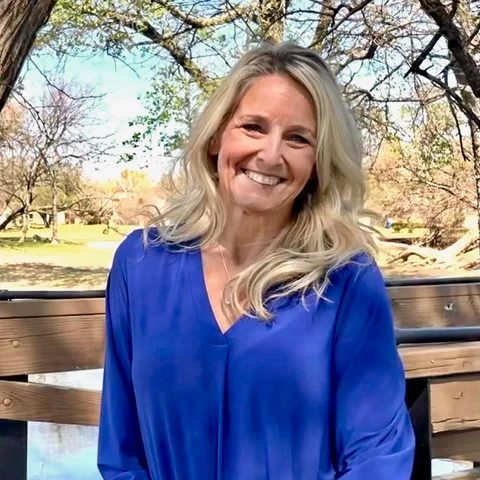
Kristy Purtle has been a licensed Texas REALTOR® since 1997, helping families buy and sell homes across the Dallas-Fort Worth metroplex. With 28 years of local market expertise, she provides personalized service from listing to closing.