What Sellers Actually Pay at Closing in Texas: A 2026 Breakdown

Quick Answer: Texas seller closing costs typically run 6-10% of your sale price, most of it real estate commission (around 5.5-6% total, now negotiated up front rather than an automatic split since the 2024 NAR settlement). On a $400,000 DFW home that lands around $25,000 to $40,000 once you add title and escrow fees, prorated property taxes, and any buyer credits. Texas has no state income tax and no state transfer tax, so map these pieces out before you list and you keep more of your equity at the table.
Nobody likes surprises at the closing table. I still think about a seller I worked with back in 2004 who almost slid out of her chair when the final settlement statement landed in front of her. She’d budgeted for the commission. She hadn’t budgeted for title and escrow fees, prorated taxes, and the repair credits we’d negotiated with the buyer. Her take-home came in about $18,000 under what she’d pictured.
Ever since, I’ve made it a rule: every seller I represent knows their real net number before we ever list. The sellers who come out ahead are almost always the ones who ran the math early. None of it is complicated. You just have to know what’s coming.
Texas does give you one built-in break, no state income tax. But we have our own lineup of selling costs, and they’re worth walking through one at a time. (Buying in DFW instead of selling? My Dallas-Fort Worth closing costs guide breaks down the buyer side.)
What Are the Main Seller Closing Costs in Texas?
The biggest one is almost always the real estate commission. On a $400,000 home in Plano ISD, total agent compensation often runs in the low-to-mid $20,000s. How it’s split, and who pays the buyer’s agent, changed after the 2024 NAR settlement, so that piece is now negotiated up front instead of assumed. A good listing agent earns that fee back through pricing and negotiation, but you should walk in knowing the number and knowing it’s negotiable.
Title insurance comes next, and Texas handles it differently than most states. The title premium isn’t something you haggle over company to company, the rate is set by the Texas Department of Insurance based on your sale price. On a typical Dallas County home that premium lands in the low four figures. What can vary are the escrow and closing fees a title company charges on top of the premium, so those are worth comparing.
Transfer costs here are mild, recording fees rather than the big percentage-based transfer taxes you see in other states. That’s a real advantage in Texas, and it catches a lot of out-of-state sellers off guard in a good way.
Then come the smaller, predictable line items: a survey if the buyer needs a fresh one (a few hundred dollars), any repairs that surface in the buyer’s inspection, and sometimes a buyer credit if that’s what gets a deal across the line in a competitive spot like Legacy West or the Bishop Arts District. None of these should blindside you if you’ve planned for them.
How Much Should You Budget for Closing Costs in DFW?
I tell my sellers to build the budget from real dollars, not a vague percentage. Add up the commission, title and escrow, prorated property taxes, and a cushion for buyer credits, then pad it a little. On a $500,000 home in Highland Park ISD, total costs often land between $35,000 and $45,000. On a $250,000 home near a DART line, closer to $18,000 to $23,000. Overestimate on purpose. A pleasant surprise beats a scramble.
Property taxes are the piece sellers forget. They get prorated to your closing date, so if you prepaid you’ll see a credit, and if they’re still owed you settle up at closing. In fast-appreciating areas like Frisco ISD, where assessed values keep climbing, that number runs bigger than people expect. Your county appraisal district record is the place to confirm where you actually stand.
When Can You Negotiate Seller Closing Costs in Texas?
Market conditions set your leverage more than anything else. I’ve worked seller’s markets where buyers absorbed nearly everything, and softer stretches where sellers offered real concessions just to get to the table. Same costs, completely different negotiation, all down to timing.
Right now in DFW, it’s common for buyers to ask sellers to put something toward their closing costs, often a point or two of the price. It shows up most around the major employers near Legacy and along the newer transit lines.
You can also negotiate what you pay your own agent. Just be careful with the deep-discount route. Some low-fee brokerages do less, and “less” can cost you more if it shows up as a softer sale price or a deal that falls apart late. I’ve watched it happen more than once. This is one spot where cheapest rarely means best.
What Closing Costs Can Texas Sellers Avoid or Minimize?
Focus on the discretionary pieces, not the fixed ones. You won’t move the title premium, but you can compare escrow and closing fees, and you can shop required services like a survey or a septic inspection. A few quotes can save real money.
A handful of moves that tend to pay off:
- Get more than one quote on any service you’re required to provide
- Handle the obvious repairs before listing, so the buyer has less to ask credits for
- Price the home right from day one to pull multiple offers and cut concessions
- Hire an agent who actually negotiates, because that’s where the real savings live
A pre-listing inspection isn’t required, but it lets you deal with problems on your own schedule instead of reacting mid-negotiation when the buyer holds the leverage. I lean on it for any home that’s been lived in fifteen years or more, especially older ones in Knox-Henderson or Deep Ellum where deferred maintenance likes to hide.
How Do Texas Closing Costs Compare to Other States?
Texas comes out well. No state income tax, and low transfer costs next to places like New York or California, where sellers can get hit much harder. That gap is one of the reasons people keep moving here.
The trade-off is property taxes, which run higher than a lot of states and feed straight into your prorated tax math at closing. The strong-school areas, Carroll ISD or Plano ISD, tend to carry higher rates, and you’ll see that on your settlement statement.
One more Texas perk: no mandatory attorney at closing the way some northeastern states require. You can close through a title company and get the same legal protection, usually for less.
That settlement statement back in 2004 taught me the lesson I still lead with. Sellers who understand their costs early price smarter and sleep better. Every situation is a little different, and knowing your real net is what lets you make good calls on timing and price.
Want your actual net number before you list? Call or text me at (972) 345-3516 and I’ll put together a real seller’s net sheet for your home, no charge and no pressure.
Frequently Asked Questions
Q: Are Texas seller closing costs tax deductible? A: Some, like agent commissions and selling expenses, can reduce the capital gain when you sell. But talk to a tax professional about your specific situation, I’m a REALTOR, not a CPA. This isn’t one to guess on.
Q: Who pays for the home warranty in Texas real estate transactions? A: It depends on how the contract is negotiated. In competitive markets, sellers often offer a home warranty as an incentive, usually $400 to $600 for the year.
Q: Can I roll closing costs into my mortgage when selling? A: No. As the seller, your costs come out of your sale proceeds or out of pocket, they can’t be financed.
Q: How far in advance should I budget for closing costs? A: Start the moment you begin thinking about selling. Having a clear picture of your net proceeds early helps you make better calls on timing and price.
Q: Do I need an attorney to close on my home sale in Texas? A: Texas doesn’t require it. Most sales close through a title company, which handles the legal protections at a lower cost than attorney representation.
Need expert guidance?
28 years of DFW real estate expertise. One phone call away.
Free DFW Relocation Guide
Neighborhood quiz, cost-of-living worksheet, and 30-day checklist for new arrivals.
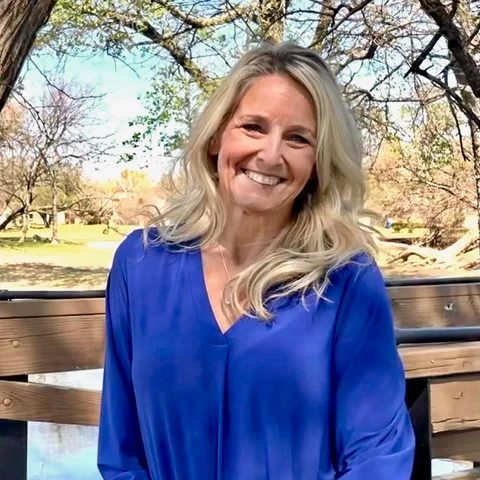
About the Author
Kristy Purtle has been a licensed Texas REALTOR® since 1997, helping families buy and sell homes across the Dallas-Fort Worth metroplex. With 28 years of local market expertise, she provides personalized service from listing to closing.