How Texas Property Taxes Work and Why They Surprise New DFW Homeowners
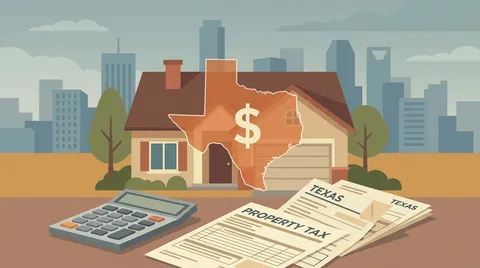
Quick Answer: Texas property taxes average 1.8-2.2% of assessed value in DFW, with homestead exemptions reducing your bill. Payment schedules vary by county, and rates differ significantly between neighborhoods like Highland Park ISD versus Plano ISD.
I’m going to be honest with you. The number one thing that catches newcomers off guard about buying a home in Texas isn’t the heat. It isn’t the toll roads. It’s the property tax bill. I’ve watched the color drain from people’s faces when they see that first statement, and I don’t want that to be you. After helping hundreds of families through DFW real estate since ‘97, I can tell you this: Texas property taxes aren’t as scary as they look once you understand how they work and what you can do about them.
Here’s the deal. Texas doesn’t have a state income tax. That’s the good news, and it’s a big deal. But the state has to fund schools, roads, and services somehow, and property taxes carry that load. The rates might give you sticker shock if you’re coming from a state where income taxes did the heavy lifting. But when you add it all up? Most of my clients end up paying less in total taxes than they did back in California, New York, or Illinois. Let me walk you through the details.
How Much Are Property Taxes in Dallas-Fort Worth?
Property tax rates across DFW vary more than most people expect. I’ve seen rates as low as 1.8% in some areas and north of 3.2% in others. Where exactly you buy makes a massive difference in what you’ll owe each year.
Plano typically comes in around 2.1%, while Highland Park ISD residents pay closer to 2.8%. That gap comes down to school district funding needs, municipal services, and county assessments. To put it in real numbers: a $400,000 home in Frisco ISD runs about $8,400 in annual taxes, while the same home in Carroll ISD might cost $9,200 per year. That’s an $800 difference that adds up fast.
Your total rate isn’t one number. It’s a stack of entities: county, city, school district, and special districts all piling on. Collin County and Denton County generally offer lower rates than Dallas County, which is one reason suburbs like the Legacy West area and Southlake Town Square keep attracting newcomers who want to keep their tax bills manageable. For a concrete example of how much that county line is worth, see how ZIP code 75287 splits between Collin and Dallas County tax bills on otherwise-identical homes.
I always tell my buyers to look at the total tax picture, not just the home price. A house that’s $30,000 cheaper in a high-tax district might actually cost you more over five years than a pricier home in a lower-tax area. That’s the kind of math I help my clients work through before they make an offer.
What Property Tax Exemptions Can New Texas Residents Claim?
This is where things get better. Texas offers several exemptions that can take a real bite out of your tax bill. The homestead exemption alone saves most DFW homeowners $500-1,500 per year, but here’s the catch: you have to apply for it. It doesn’t happen automatically.
The basic homestead exemption removes $40,000 from your home’s assessed value for school taxes. That’s money back in your pocket every single year. Additional exemptions include:
- Over-65 exemption: an extra $10,000 off assessed value
- Disabled veteran exemptions: up to 100% exemption for qualified veterans
- Agricultural exemptions: significant savings for properties meeting usage requirements
I’ve helped families from Uptown Dallas to Southlake file their homestead exemptions, and the process takes about 20 minutes at your county appraisal district office. Bring your driver’s license, your deed, and voter registration showing your Texas address. That’s it. Missing this deadline costs you hundreds of dollars you didn’t need to spend, and I’ve seen it happen to smart people who just didn’t know.
One more thing. If you’re over 65, your school district taxes get frozen at the level they were when you filed. That’s a huge deal in a market where home values keep climbing. I had a client in Plano ISD who saved over $2,000 in her first year just with the over-65 and homestead exemptions combined.
When Are Property Taxes Due in DFW Counties?
Payment schedules trip up newcomers more than almost anything else. If you’re used to one due date, DFW’s multi-county system can feel confusing at first. After guiding clients through this process for nearly three decades, I recommend marking these dates the minute you close on your home.
Dallas County taxes are due January 31st, with a 3% discount if you pay in October and 2% for November. That discount is real money. On a $10,000 tax bill, paying in October saves you $300. Collin County follows the same general schedule but offers slightly different discount percentages. Denton County keeps similar timing but runs payments through different offices.
Most lenders collect property taxes through escrow accounts and pay them automatically on your behalf. That’s the easiest route, and it’s what I recommend for most buyers. But if you’re buying with cash or have significant equity, you’ll handle payments directly. Don’t let those deadlines sneak up on you. Late payments trigger penalties starting February 1st, and interest compounds monthly at rates that’ll make you wince.
Here’s a pro tip: if you’ve got the cash, paying early for that October discount is one of the easiest ways to save money as a Texas homeowner. It’s not glamorous, but it works.
How Do DFW School Districts Affect Property Tax Rates?
School district boundaries create the biggest property tax swings across the entire Metroplex. I’ve sold homes where moving two streets over puts you in a different district with a completely different tax rate. Families underestimate this more than almost anything else I see. I broke down exactly why neighbors on the same street can pay different property tax rates in a separate guide, because it catches almost everyone off guard.
Plano ISD and Frisco ISD maintain relatively moderate tax rates while delivering excellent education outcomes. You’re getting a lot of bang for your buck in both districts. Highland Park ISD commands premium home prices but also carries higher tax rates. Carroll ISD in Southlake balances strong academics with reasonable taxation, which is a big reason it’s so popular among relocating executives.
Beyond current rates, pay attention to bond elections. They can increase your taxes going forward. Districts near major employers like those in the Legacy West corridor frequently pass infrastructure bonds that gradually push rates higher. And if you’re looking at homes near DART stations or TEXRail stops, factor in potential transit-related tax increases that come with improved connectivity.
Smart buyers don’t just look at this year’s rate. They research five-year tax trends, especially in rapidly growing areas like Deep Ellum and Bishop Arts where development drives reassessment increases. I pull this data for every client because it tells you where taxes are headed, not just where they are today.
What Happens During Property Tax Reassessment in Texas?
Texas law requires annual property assessments, and this is where the biggest surprises happen for newcomers. If you’re coming from a state where your assessed value barely budged year to year, buckle up. I’ve walked hundreds of families through reassessments, and the protest process is something every DFW homeowner should understand.
Appraisal districts mail notices by April 30th showing your property’s new assessed value. You’ve got until May 31st to file a protest if the number looks wrong. Common grounds for protesting include comparable sales data, property condition issues, or incorrect property characteristics in the district’s records.
The Knox-Henderson area has seen significant appreciation lately, which means existing homeowners are facing substantial tax increases. New construction around Klyde Warren Park and the American Airlines Center drives up surrounding property assessments too. It’s a ripple effect. Understanding these trends helps you budget for future increases and time your purchase more strategically.
Here’s what I tell every client: don’t skip the protest process. It works more often than you’d think. Professional protests succeed regularly when they’re backed by solid comparable sales data and property-specific factors. I’ve got relationships with qualified protest companies who consistently deliver results for my clients facing unreasonable increases. One family near Highland Park saved over $3,500 last year after a successful protest. That’s worth an afternoon of paperwork.
And remember: the 10% homestead cap limits how much your assessed value can increase annually if you’ve filed your homestead exemption. That protection alone is worth the 20 minutes it takes to file. Don’t leave money on the table.
Ready to make your move to DFW with confidence about property taxes? Call or text Kristy at (972) 345-3516 for a free consultation about buying in the perfect neighborhood for your budget.
Frequently Asked Questions
Q: Can I appeal my DFW property tax assessment? A: Absolutely. You’ve got until May 31st each year to protest your assessment. In my experience, protests succeed most often when you bring comparable sales data and documentation of any property issues that affect value. It’s well worth the effort.
Q: Do I pay property taxes at closing when buying a DFW home? A: You’ll pay prorated taxes for your portion of ownership during that tax year. The seller covers taxes through the closing date, and you pick up the tab from closing forward. Your title company handles all the math.
Q: Are property taxes higher in Dallas than surrounding suburbs? A: Generally, yes. Dallas County rates and city services push the combined rate higher. Suburbs in Collin and Denton counties often offer lower total rates, which is something I help my clients compare side-by-side during their home search.
Q: How quickly must I apply for homestead exemption after moving to Texas? A: You need to apply by April 30th of the year following your purchase to receive exemptions for that tax year. Don’t sit on this one. Missing the deadline costs you real money, and there’s no reason to pay more than you have to.
Q: Do property taxes increase every year in DFW? A: Not necessarily, but reassessment can bump your assessed value annually. Texas law caps increases at 10% per year for homesteaded properties, which gives you some protection against dramatic spikes. It’s one more reason to file that homestead exemption right away.
Need expert guidance?
28 years of DFW real estate expertise. One phone call away.
Free DFW Relocation Guide
Neighborhood quiz, cost-of-living worksheet, and 30-day checklist for new arrivals.

About the Author
Kristy Purtle has been a licensed Texas REALTOR® since 1997, helping families buy and sell homes across the Dallas-Fort Worth metroplex. With 28 years of local market expertise, she provides personalized service from listing to closing.