How Appraisal Gap Coverage Protects Your DFW Offer When It Comes In Low

Quick Answer: Appraisal gap coverage is a contract addendum where the buyer agrees to cover the difference between the purchase price and a lower appraised value, up to a set dollar amount. In a competitive DFW market it reassures sellers the deal won’t collapse at the appraisal, but it commits your own cash, so it takes careful planning.
In a tight DFW market, appraisal gap coverage is one of the strongest tools a buyer has. It can do more for your offer than simply bidding higher, and I’ve watched it decide who gets the house more times than I can count.
Buyers lose homes in places like Legacy West and Bishop Arts not because their price was too low, but because they left gap coverage out of the contract. Sellers want certainty. They want to know the deal won’t fall apart when the appraiser values the home for less than you offered. Let me walk through how it works, what it costs, and when to use it. If you’re also deciding how aggressive to get on price and terms, my guide to winning bidding wars in DFW goes hand in hand with this one.
What Is Appraisal Gap Coverage and Why Does It Matter in DFW?
Appraisal gap coverage, sometimes called appraisal gap protection, is a promise you write into your contract. You’re telling the seller: if the home appraises for less than my offer, I’ll cover the difference out of pocket, up to a set amount. Simple idea, big impact.
Here’s a quick example. Say you offer $650,000 on a home in Legacy West with $10,000 in gap coverage. The appraisal comes back at $635,000, a $15,000 gap. You’d cover $10,000 yourself, and the seller would need to drop the price by $5,000 or the deal stalls.
In DFW’s most competitive neighborhoods, Bishop Arts, Knox-Henderson, or anything zoned to a sought-after district like Plano ISD or Highland Park ISD, strong homes often sell for more than an appraiser will confirm. That happens when several buyers compete for the same house. Appraisers rely on past sales to set value, so when prices climb quickly the appraisal can lag what buyers are actually willing to pay. That lag is where gap coverage does its work.
How Much Should You Offer for Appraisal Gap Coverage in Dallas-Fort Worth?
It depends on your finances and the neighborhood, but here’s the range I see work for buyers in competitive areas, roughly $5,000 to $25,000:
- Under $400,000 (think Deep Ellum, Oak Lawn): $3,000 to $8,000 often does it
- $400,000 to $700,000 (Frisco, Southlake suburbs): $10,000 to $15,000 is a common sweet spot
- Above $700,000 (near Legacy Hall, Klyde Warren Park): $20,000 or more may be needed
Before you settle on a number, think through a few things:
- How much cash will you actually have left after your down payment and closing costs? (My DFW closing costs guide covers what to expect there.)
- What have comparable homes sold for recently on that specific street or in that subdivision?
- How long are similar properties sitting before they go under contract?
- Is the home near major employers or DART stations that keep demand high?
One thing buyers forget: this money comes from your pocket, not your loan. Don’t drain your savings to win a house. A good rule is to keep at least three months of mortgage payments in reserve after any gap amount you commit.
When Should You Use Appraisal Gap Coverage in DFW Markets?
Timing and context are everything, and after selling here since ‘97 I can usually tell early whether a home will need gap coverage to win.
In a multiple-offer situation, gap coverage is close to mandatory, especially for homes in districts like Carroll ISD or Frisco ISD where competition runs hot. If a listing draws several offers in its first days, you’re unlikely to win without some gap protection.
New construction is another case. Builders in busy areas like Legacy West or Southlake Town Square rarely cut their prices, so the appraisal can be the only thing between you and the home you want.
I had a deal a few years back, in a market just like this one, low inventory and buyers fighting over everything, where the appraisal came back under what my buyer had agreed to pay. The comps the appraiser leaned on didn’t make sense to me, so I went back and challenged it, and we paid for a second appraisal. It still came in low. So we did the only thing left on the table: the buyer and seller met in the middle, and my buyer brought the difference to closing out of their own pocket. That’s just what that market asked for.
Here’s how I help a buyer decide whether that check is worth writing. A house is worth what someone’s willing to pay. If you love it, you’re planning to stay ten or fifteen years, and the alternative is signing another lease and walking right back into the same bidding wars, then losing three to five thousand dollars to a low appraisal usually doesn’t make a difference. You earn it back as the home appreciates. But the second those numbers stop making sense, I’ll tell you to walk, because there’s always another house coming.
Season matters too. Spring and early summer are the most competitive months in DFW, so gap coverage carries the most weight then. My spring home buying guide for DFW breaks down how to time that rush. In the slower stretch from late fall into winter, you may not need it at all.
Your financing type matters as well. Conventional loans give you the most room to maneuver on appraisal issues. FHA and VA loans have stricter appraisal rules, so the strategy shifts. If you’re deciding between loan types, here’s my FHA vs conventional breakdown for Texas buyers, and if you’re a veteran, my VA loans guide for DFW buyers covers how those appraisal rules play out. Cash buyers don’t need gap coverage at all, since no lender is setting a ceiling on value.
What Are the Risks and Alternatives to Appraisal Gap Coverage?
I won’t sugarcoat it: gap coverage carries real risk. The obvious one is paying more than the appraised value, which can mean starting with little or no equity.
I’ve seen buyers stretch too thin and leave themselves cash-poor after closing. Then the water heater goes or the AC quits in July, and there’s no cushion. Keep reserves beyond whatever you commit.
There’s a market risk too. DFW has appreciated strongly, but no market climbs forever. If you overpay in an area that doesn’t hold value, you could be underwater for a while. That risk is lower in established neighborhoods with steady demand.
Before going big, weigh the alternatives:
- An escalation clause with built-in appraisal protection
- Asking the seller for closing-cost help instead
- Negotiating a home warranty or personal property into the deal
- Targeting homes that have been on the market a little longer
And sometimes the right move is to walk away. I’ve told buyers to pass when a deal needed more gap coverage than it was worth, because a better option was around the corner. Your attachment to a house shouldn’t override the math.
Gap coverage often decides who gets the house. It comes down to knowing your specific market, keeping cash in reserve, and working with someone who knows DFW’s quirks.
If you’re about to write an offer and you’re not sure how much gap coverage is smart, call or text me at (972) 345-3516. I’ll go through the comps with you before you commit a single dollar.
Frequently Asked Questions
Q: Does appraisal gap coverage make my offer stronger than a higher purchase price? A: Often, yes. Gap coverage tells sellers you’re committed to closing no matter what the appraisal says, which can matter more than a bigger number that might fall apart at the appraisal stage. I’ve seen sellers choose gap coverage over a higher offer for exactly that reason.
Q: Can I cancel my contract if the appraisal gap exceeds my coverage amount? A: Usually. If the gap goes beyond what you agreed to cover and the seller won’t lower the price, you can typically walk away with your earnest money intact, as long as the contract language is written correctly. That’s why having an experienced agent draft those terms matters.
Q: How quickly do I need to pay the appraisal gap amount? A: You don’t pay when the appraisal comes back low. You pay at closing, which gives you time to arrange the extra cash or negotiate alternatives with the seller.
Q: Should I offer appraisal gap coverage on every DFW home purchase? A: No. In slower markets, or for homes that are priced conservatively, you may not need it at all. I help buyers weigh each situation on its own, based on comparable sales and how competitive the market is at that moment.
Q: What happens if the home appraises above the purchase price? A: You simply pay the agreed price and keep your gap coverage funds. There’s nothing to cover, since the appraisal supports the contract.
Need expert guidance?
28 years of DFW real estate expertise. One phone call away.
Free First-Time Buyer's Guide
Neighborhood comparisons, red flags checklist, and a printable home tour scorecard.
About the Author
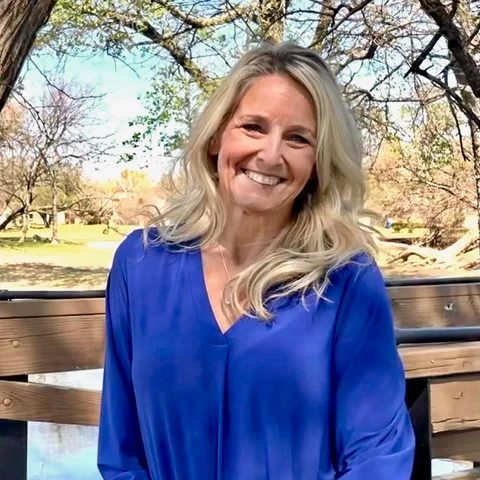
Kristy Purtle has been a licensed Texas REALTOR® since 1997, helping families buy and sell homes across the Dallas-Fort Worth metroplex. With 28 years of local market expertise, she provides personalized service from listing to closing.