Relocating to Dallas-Fort Worth: A Step-by-Step Guide for New Residents

Quick Answer: Moving to Dallas-Fort Worth offers diverse neighborhoods, strong job growth, and affordable living compared to other major metros. Expect median home prices around $425,000 and plan 6-8 weeks for your relocation timeline with proper preparation.
Welcome to the insider’s guide I wish someone had handed me when I first started helping people move here. Since ‘97, I’ve watched Dallas-Fort Worth transform from a sprawling sunbelt metro into one of the country’s most exciting places to call home. And after guiding hundreds of families through this exact move, I can tell you the questions you’re asking right now are the same ones every smart transplant asks.
The good news? You’re already doing the research. That puts you ahead of most folks who show up and hope for the best. Let’s dig into what actually matters when you’re packing up your life and heading to DFW.
What Are the Best Neighborhoods for New Dallas-Fort Worth Residents?
Choosing the right neighborhood sets the foundation for your DFW experience. I’ve seen firsthand how location impacts everything from daily commutes to weekend activities, and it’s not something you’ll want to get wrong.
For Young Professionals: Uptown Dallas remains the top choice with its walkable lifestyle and proximity to downtown. Deep Ellum offers an artistic vibe with converted lofts and trendy restaurants. Both neighborhoods provide easy access to DART light rail stations, so you won’t even need a car. I had a couple move here from Portland last year who were convinced they’d need two cars. They’ve been in Uptown for eight months now and haven’t bought a single one.
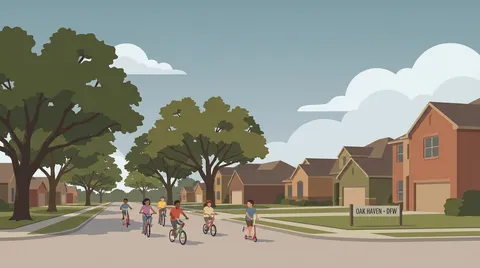
For Families: Plano, Frisco, and Southlake consistently rank among Texas’s top family destinations. Plano ISD, Frisco ISD, and Carroll ISD (Southlake) all receive A+ ratings from the Texas Education Agency. These areas offer excellent schools, family-friendly amenities, and strong property values. You can’t go wrong with any of them.
For Entertainment Lovers: Knox-Henderson provides a perfect blend of trendy restaurants and boutique shopping, and you’ll never run out of new places to try. Bishop Arts District offers a small-town feel within Dallas proper, featuring local businesses and weekend farmers markets.
The Legacy West area in Plano deserves special mention for newcomers. This master-planned community combines high-end shopping at Legacy Hall with corporate headquarters, creating a live-work-play environment that many transplants find appealing. I’ve had clients tell me it feels like its own little city within the city.
How Much Does It Cost to Move to Dallas-Fort Worth in 2026?
Let’s talk money, because that’s really what it comes down to. Based on current market trends and my experience with recent relocations, here’s what you should plan for.
Housing Costs: The median home price in DFW hovers around $425,000, though that varies significantly by location. Luxury areas like Highland Park and Southlake command $800,000+ medians, while emerging neighborhoods in Arlington or Grand Prairie offer options in the $300,000 range. Rental markets show similar diversity, with Uptown Dallas averaging $2,200 for a one-bedroom, while suburban areas like Richardson offer comparable spaces for $1,400-1,600.
Moving Expenses: Long-distance moves to DFW typically cost $3,000-6,000 depending on your origin and household size. Local moving companies I recommend to my clients charge $120-150 per hour for moves within the Metroplex.
Monthly Living Costs: DFW’s overall cost of living sits a little below the national average. Groceries, utilities, and transportation stay reasonable, though property taxes run higher than most states, averaging a bit over 2% of value (your county appraisal district has the exact rate). That’s the number that catches most people off guard, and it shouldn’t surprise you if you plan ahead.
Most newcomers don’t realize this until their first paycheck: Texas doesn’t have a state income tax. Depending on your income level and housing choice, that can offset those higher property taxes in a big way.
When Is the Best Time to Move to Dallas-Fort Worth?
Timing your DFW move strategically can save money and reduce stress. Years of moving people into this market taught me the best windows depend on your priorities and flexibility.
Spring (March-May): This is peak moving season, with the most inventory and optimal weather. However, competition for homes and moving services intensifies, and you’ll face more bidding wars. I typically advise my clients to start their search in January for spring moves, especially if they’re targeting top school districts like Highland Park ISD or Carroll ISD.
Fall (September-November): September through November offers excellent opportunities for motivated buyers. Sellers often price more aggressively, and moving companies provide better rates. Weather’s still comfortable, and you’ll settle in before the holiday season.
Winter Advantages: December through February sees reduced competition and often better negotiating power. However, school-age families typically avoid mid-year relocations to prevent disrupting their children’s academic year. I don’t blame them. Nobody wants to be the new kid in February. If you’re moving with kids, my guide to relocating school-age children to DFW walks through timing the switch.
Market timing also matters. Projections for 2026 point to continued modest home price appreciation with gradually improving inventory compared to recent years.
What Should You Know About Dallas-Fort Worth Transportation and Commuting?
DFW’s sprawling nature requires transportation planning, but there’s more options than many newcomers realize. Understanding your commute possibilities influences where you’ll want to live more than you’d think. Trust me on this one.
DART System: Dallas Area Rapid Transit connects major employment centers through light rail and bus networks. The Red Line connects downtown Dallas to Plano, while the Blue Line serves suburban communities. Monthly passes cost $96, so it’s economical for regular commuters.
TEXRail: This newer addition connects downtown Fort Worth to DFW Airport, with stops in Grapevine and other western suburbs. It’s particularly valuable for frequent travelers and those working in the Alliance business corridor.
Toll Roads: The Dallas North Tollway (DNT), George Bush Turnpike, and President George Bush Turnpike (PGBT) provide faster commuting options. Monthly toll expenses typically range $80-200 depending on usage, but they significantly reduce commute times during peak hours. Most of my clients consider tolls a worthwhile trade for getting their evenings back.
Traffic patterns follow predictable rhythms. Rush hours generally span 7-9 AM and 5-7 PM, with Friday afternoons particularly congested. Many tech companies in Legacy West and Telecom Corridor offer flexible schedules to help employees avoid peak congestion.
What Does the Dallas-Fort Worth Home Buying Process Look Like?
The DFW real estate market has unique characteristics that surprise many newcomers. If you don’t understand local practices, it can cost you. Here’s how to avoid that.
Market Pace: Homes in desirable areas like Southlake Town Square or near Klyde Warren Park often receive multiple offers within days. You’ll need pre-approval letters and the ability to make quick decisions, especially in the $400,000-600,000 price range. I had a buyer from Chicago last spring who lost two homes before she learned to move fast. The third time, she was ready, and we got it done.
Property Taxes: Texas property taxes fund local schools and services, creating variation between communities. A $500,000 home might carry annual taxes of $10,000-13,000 depending on location and exemptions. Homestead exemptions reduce this burden for primary residences. Don’t skip filing for that exemption; it’s free money.
Inspection Periods: Texas contracts typically allow 7-10 days for professional inspections. Given DFW’s weather extremes and foundation considerations, thorough inspections aren’t optional. I always recommend my clients budget $500-800 for inspections. It’s cheap insurance.
HOA Considerations: Many newer communities feature HOAs with monthly fees ranging $50-300. These often maintain community amenities like pools, trails, and landscaping, but they also enforce architectural and maintenance standards.
After helping hundreds of families through this process, I’ve found that education and preparation make the biggest difference. The buyers who’ve done their homework before they even board the plane are the ones who land exactly where they want to be.
Frequently Asked Questions
Q: What’s the job market like in Dallas-Fort Worth for 2026? A: DFW’s economy remains strong with Fortune 500 headquarters, a growing tech sector, and diverse industries. Major employers like AT&T, American Airlines, and Texas Instruments continue expanding, and companies like Amazon and Google have established significant presences. It’s one of the biggest reasons people keep moving here, and that doesn’t show signs of slowing down.
Q: How do Dallas-Fort Worth schools compare nationally? A: Several DFW school districts rank among Texas’s best, with Plano ISD, Highland Park ISD, and Carroll ISD earning consistent A+ ratings. You’ll find excellent public options alongside prestigious private schools, which is why it’s so attractive for families prioritizing education.
Q: What’s the weather really like in Dallas-Fort Worth? A: Expect hot summers (often 100F+ in July and August) and mild winters with occasional ice storms. Spring brings beautiful weather but also tornado season. Most homes include excellent HVAC systems, and you’ll adapt to the climate faster than you’d expect.
Q: Is Dallas-Fort Worth traffic really that bad? A: It’s manageable if you’re strategic about it. Neighborhood selection and flexible work arrangements help significantly. There’s plenty of areas with reasonable commutes, and ongoing infrastructure improvements continue addressing congestion. I tell my clients: pick the right neighborhood and you won’t dread the drive.
Q: How quickly should I expect to find a home in Dallas-Fort Worth? A: With proper preparation and realistic expectations, most buyers find suitable homes within 4-8 weeks. However, competitive markets in premium areas like Uptown or top school districts may require more time and patience.
Moving to Dallas-Fort Worth is an exciting opportunity, and you shouldn’t underestimate what a difference it makes to have someone who’s been doing this for decades in your corner. With solid planning and realistic expectations, your transition can be smooth and rewarding.
Ready to make your move? Call or text Kristy at (972) 345-3516 for a free consultation.
Need expert guidance?
28 years of DFW real estate expertise. One phone call away.
Free DFW Relocation Guide
Neighborhood quiz, cost-of-living worksheet, and 30-day checklist for new arrivals.

About the Author
Kristy Purtle has been a licensed Texas REALTOR® since 1997, helping families buy and sell homes across the Dallas-Fort Worth metroplex. With 28 years of local market expertise, she provides personalized service from listing to closing.